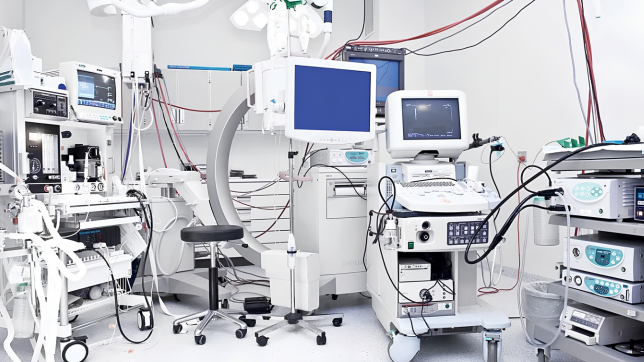


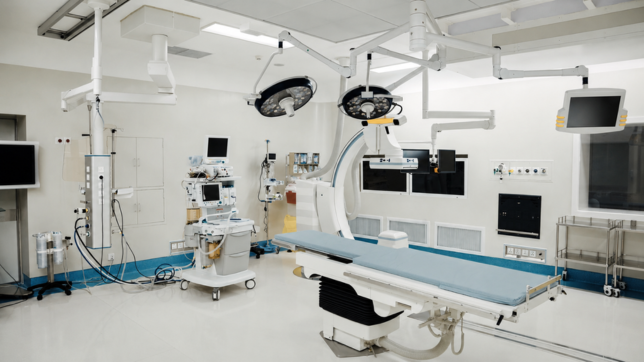
Hospitals and clinics rely on high-quality equipment to deliver safe and efficient patient care. From diagnostic devices to surgical instruments, every tool plays a critical role in healthcare operations. That’s why choosing a dependable medical equipment supplier ensures reliability, compliance with safety standards, and long-term cost efficiency.
Whether you are setting up a new facility or upgrading an existing one, understanding the market is essential. In cities like Karachi, demand for trusted sources of medical equipment continues to grow as healthcare services expand. As a buyer, you can also search for a complete medical equipment list to streamline procurement decisions, and this guide is intended to help you with just that.
Why Choosing the Right Medical Equipment Supplier Matters
Selecting the right supplier directly can impact the quality of healthcare equipment and patient safety. It is also not hidden from anyone that medical equipment must meet strict standards to be considered eligible for use. At the same time, hospitals also depend heavily on timely delivery, proper installation, and responsive technical support. A dependable supplier ticks all the boxes and also ensures the availability of spare parts, warranties, and maintenance services.
High-quality suppliers provide certified products, transparent pricing, and professional guidance. They can also help you as a buyer to select suitable equipment from a comprehensive medical equipment list according to what your facility needs.
Types of Medical Equipment Suppliers
Medical equipment suppliers generally fall into several categories based on their specialization and service offerings.
- Manufacturers supply equipment directly, offering authenticity and warranties, but sometimes limited product variety.
- Distributors act as intermediaries, as they provide multiple brands and flexible pricing options.
- Local suppliers focus on quick delivery and personalized service, which is valuable for urgent requirements.
- International suppliers provide advanced technology and specialized devices that are not easily available locally.
- Refurbished equipment vendors offer cost-effective alternatives for healthcare facilities with a lower budget.
- Procurement companies like us manage sourcing, logistics, and installation as a complete solution.
Top Medical Equipment Suppliers in Pakistan
There is no doubt that Pakistan has a growing network of medical equipment suppliers serving to almost every hospital, clinic, and diagnostic center. Major cities like Karachi, Lahore, and Islamabad host vendors offering a range of diagnostic machines, surgical instruments, and hospital furniture.
Local distributors can provide you with quick delivery and easier communication, which makes them ideal for urgent procurement. Some suppliers specialize in imported equipment, while others focus on locally manufactured products.
On the other hand, you’ll also find procurement-focused companies like us, HnH Enterprise, where we provide end-to-end sourcing, logistics coordination, and quality assurance. Such partners help healthcare facilities manage complex purchasing requirements efficiently.
Top International Medical Equipment Suppliers
International medical equipment suppliers provide access to advanced technology and globally recognized brands. These vendors offer specialized devices that you may not be able to get locally, like imaging systems, surgical equipment, and laboratory analyzers.
Hospitals often partner with international suppliers when local options are limited or when high-end technology is required. These suppliers typically maintain strict quality standards and certifications. However, importing equipment involves shipping costs, customs clearance, and longer delivery timelines. For that purpose, reliable procurement partners can help you manage these challenges efficiently.
Key Factors to Consider When Selecting a Supplier
Several factors should guide hospitals when choosing a medical equipment supplier.
- Product quality and certifications are the top priorities you should check to ensure safety and compliance.
- Pricing transparency can help you avoid hidden costs during procurement.
- Delivery timelines are important, especially for urgent healthcare needs. So be very honest and strict about this from your supplier. Not to forget that suppliers offering installation and training can add significant value.
- After-sales support must be part of your contract, including maintenance and spare parts availability, to ensure equipment longevity.
How to Verify Supplier Credentials and Certifications
Verifying supplier credentials is essential to ensure equipment quality and compliance. Hospitals should check business registration, import licenses, and industry certifications. International standards such as ISO certifications are a bonus, as such certificates indicate adherence to quality management practices.
Product-specific approvals must be there as they confirm equipment safety and performance. As a buyer, you should also request documentation for warranties and service agreements. At last, reviewing client testimonials and case studies can help you better assess supplier reliability.
Red Flags to Watch Out for in Medical Equipment Suppliers
Choosing the wrong supplier can create operational risks for hospitals and clinics.
- One major red flag is a lack of proper certifications or a refusal to provide documentation.
- No clear pricing structures and hidden charges also indicate that the supplier is sus.
- Suppliers offering extremely low prices compared to market rates may compromise quality.
- Delayed communication or poor responsiveness also suggests weak customer support, and must be put in the red flag zone.
- Limited product range without a structured medical equipment list can affect procurement efficiency.
- Another warning sign is the absence of after-sales service or spare parts availability.
- In markets like medical equipment Karachi, you should also watch for vendors that are selling unverified refurbished medical equipment.
Online vs Offline Medical Equipment Suppliers: Pros and Cons
Pros of Online Sellers
- Online suppliers provide a wider product variety, which allows hospitals to compare multiple brands, prices, and specifications from an extensive medical equipment list.
- Digital platforms enable quick price comparisons, which can help buyers to identify competitive rates and budget-friendly procurement options.
- Online purchasing can save time, reduce travel expenses, and allow procurement teams to evaluate supplier credentials conveniently.
Pros of Offline Sellers
- Offline suppliers allow physical inspection, ensuring equipment quality, build, and functionality before purchasing, which can increase your confidence in the equipment significantly.
- Local offline vendors provide faster delivery and easier communication, which is especially beneficial for urgent requirements in the medical industry.
Cons of Online Sellers
- Online suppliers may lack physical verification, which can make it harder for you to assess equipment quality and authenticity before placing the order.
- Shipping delays and customs clearance issues can occur when ordering internationally, which can affect project timelines and hospital operational planning.
Cons of Offline Sellers
- Offline suppliers sometimes offer a limited product range, which can restrict access to advanced technology and specialized equipment options.
- Pricing transparency may vary offline, requiring additional negotiation efforts to ensure competitive rates and avoid hidden procurement costs.
Conclusion
Selecting the right medical equipment supplier is essential for healthcare facilities that are aiming to deliver safe and efficient services. From looking at certifications to comparing pricing, every step plays an important role in procurement success.
Hospitals should review supplier experience, product quality, and after-sales support before making decisions. In competitive markets like medical equipment in Karachi, reliable partners ensure smooth logistics and timely delivery.
By following the strategies outlined in this guide, hospitals and clinics can build strong supplier relationships, reduce risks, and improve patient care outcomes.
FAQ’s
- What should I look for in a medical equipment supplier?
Look for certifications, product quality, warranty, and after-sales support.
- Is buying refurbished medical equipment safe?
Yes, if you purchased from certified suppliers.
- How can I find medical equipment in Karachi?
There are a range of places to buy medical equipment in Karachi, including HnH Enterprise.
- Why is after-sales support important?
Because after-sales support ensures maintenance, repairs, and reduces equipment downtime in healthcare facilities.
- Should hospitals choose local or international suppliers?
Both are useful. Local suppliers provide quick support, while international vendors offer advanced technology and specialized equipment options.