


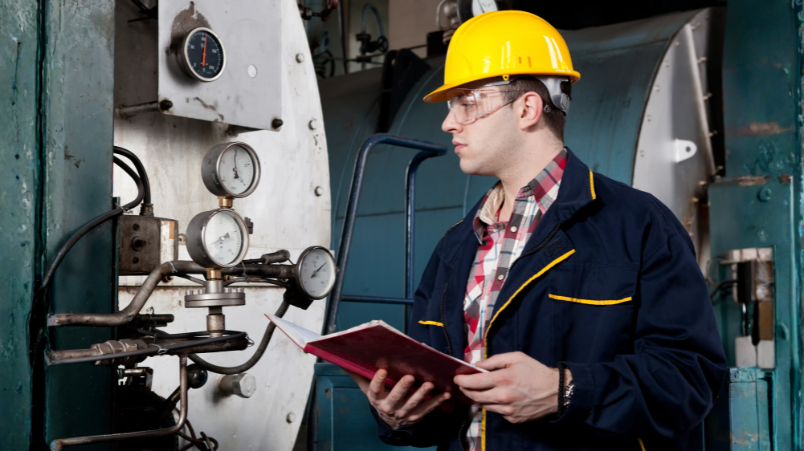
Industrial operations depend heavily on consistency, quality, and timely availability of supplies. Whether it is manufacturing, construction, oil and gas, healthcare, or infrastructure development, smooth operations are only possible when the right equipment and materials are available at the right time.
From heavy machinery to daily-use consumables, businesses require reliable industrial support to avoid delays and operational disruptions. This is why choosing the right industrial equipment supplier and professional material supplier plays a critical role in long-term operational success.
This guide explains the importance of reliable industrial supplies, how suppliers operate, and what businesses should consider before selecting an industrial partner.
What Are Industrial Supplies?
Industrial supplies refer to the equipment, tools, machinery, raw materials, and safety products required to operate factories, construction projects, warehouses, and industrial facilities.
These include:
-
Industrial equipments and machinery
-
Construction materials
-
Safety gear and protective equipment
-
Pumps, valves, and technical components
Reliable industrial supplies ensure that production lines operate without interruption and projects are completed within deadlines.
Why Reliable Industrial Supplies Matter
Industrial sectors operate under strict timelines and performance standards. A delay in equipment delivery or poor-quality materials can cause serious operational problems.
Unreliable supplies can result in:
-
Production downtime
-
Increased maintenance costs
-
Safety hazards
-
Project delays
-
Financial losses
On the other hand, working with a dependable industrial equipment supplier ensures consistent quality, timely delivery, and compliance with industry standards.
Smooth operations are not possible without a strong supply chain foundation.
Role of an Industrial Equipment Supplier
An industrial equipment supplier does more than just sell machinery. Their responsibility includes sourcing, quality verification, logistics coordination, and sometimes technical support.
A professional supplier provides:
Quality Assured Products
Industrial equipments must meet durability and safety standards. Certified products reduce operational risk and increase equipment lifespan.
Timely Delivery
Industrial projects run on strict schedules. Reliable suppliers understand the importance of on-time delivery.
Product Variety
From heavy machinery to small spare parts, businesses often require multiple categories of products. A well-established supplier can handle diverse procurement needs.
Technical Understanding
Experienced suppliers understand industrial requirements and recommend suitable products based on project specifications.
Choosing the right industrial equipment supplier reduces procurement stress and improves efficiency.
Importance of Choosing the Right Material Supplier
A material supplier is responsible for providing raw materials and essential components used in construction, manufacturing, and maintenance activities.
Before selecting a material supplier, businesses should evaluate:
Product Quality Standards
Materials must meet strength, durability, and compliance requirements. Poor-quality materials can damage equipment and reduce operational safety.
Supply Consistency
The supplier should maintain strong inventory management and vendor networks to avoid stock shortages.
Transparent Pricing
Clear quotations and competitive pricing help organizations control procurement budgets.
Industry Experience
An experienced supplier understands the technical and regulatory needs of different industries.
A professional material supplier becomes a long-term procurement partner rather than just a vendor.
Types of Industrial Equipments Commonly Supplied
Industrial operations require a wide range of equipment depending on the industry.
Common categories include:
Mechanical Equipment
Pumps, compressors, valves, generators, and industrial motors.
Electrical Equipment
Cables, switchgear, panels, transformers, and control systems.
Construction Machinery
Concrete mixers, lifting equipment, power tools, and structural hardware.
Safety and Protective Equipment
Helmets, gloves, safety shoes, fire protection systems, and high-visibility gear.
Reliable industrial equipments improve operational performance and reduce breakdown risks.
Common Challenges in Industrial Procurement
Industrial procurement often faces several challenges that affect smooth operations.
Delayed Deliveries
Logistics issues and import delays can interrupt project timelines.
Quality Inconsistencies
Not all suppliers maintain consistent quality standards.
Rising Material Costs
Fluctuating market prices impact budgeting and profitability.
Limited Vendor Reliability
Some suppliers fail to meet commitments, affecting operational planning.
Partnering with a dependable industrial equipment supplier minimizes these risks.
Benefits of Long-Term Supplier Partnerships
Instead of changing vendors frequently, businesses benefit from building long-term relationships with trusted suppliers.
Advantages include:
-
Priority access to stock
-
Better pricing agreements
-
Faster issue resolution
-
Consistent quality standards
-
Improved supply planning
A reliable material supplier understands recurring requirements and plans inventory accordingly.
Long-term partnerships create operational stability.
How Reliable Industrial Supplies Improve Operational Efficiency
Reliable supply chains directly impact productivity.
Reduced Downtime
Timely availability of spare parts prevents operational shutdowns.
Improved Safety
Certified industrial equipments reduce workplace accidents.
Cost Control
Bulk purchasing and strategic sourcing help manage expenses.
Stronger Project Execution
Projects are completed on time when supplies are consistent and dependable.
Smooth operations are the result of well-managed procurement systems.
How to Select the Right Industrial Equipment Supplier
Before finalizing a supplier, businesses should consider:
-
Product certification and quality standards
-
Delivery timelines and logistics capability
-
Market reputation and experience
-
Financial stability
-
After-sales support
The lowest price does not always mean the best value. Reliability, compliance, and long-term partnership potential should be prioritized.
Conclusion
Reliable industrial supplies are the foundation of smooth and uninterrupted operations. From sourcing high-quality industrial equipments to ensuring timely delivery of essential materials, every element of procurement plays a crucial role in business success.
Choosing a trusted industrial equipment supplier and professional material supplier reduces operational risks, improves productivity, and supports long-term growth.
In today’s competitive industrial environment, reliability is not optional — it is essential for sustainable operations.
FAQ’s
What does an industrial equipment supplier provide?
An industrial equipment supplier provides machinery, tools, spare parts, and technical equipment required for industrial operations.
Why is choosing the right material supplier important?
The right material supplier ensures consistent quality, timely delivery, and compliance with safety standards.
How do reliable industrial supplies improve productivity?
Reliable supplies reduce downtime, prevent delays, and maintain operational efficiency.
What industries require industrial equipments?
Manufacturing, construction, oil and gas, healthcare, logistics, and infrastructure sectors all rely on industrial equipments.
How can businesses reduce procurement risks?
Businesses can reduce risks by partnering with experienced and reputable industrial equipment suppliers who maintain quality standards and reliable logistics systems.