


It is not hidden from anyone that hotels and cafeterias depend heavily on a smooth supply of food ingredients to operate smoothly. Managing food inventory becomes easier when you maintain a clear and organized purchasing system. That’s where a well-prepared grocery items list can help you track stock, plan meals, and avoid last-minute shortages during busy service hours.
But making the right item list can be overwhelming and challenging for many, considering the amount of options one have to choose from. If you are also one of those, then don’t worry, because in this guide, we’ll share with you a complete grocery list, along with explaining why these things are important.
Eggs
Eggs are one of the most versatile ingredients that are used in commercial kitchens. Restaurants, bakeries, and hotels rely on eggs for breakfast dishes, baking, sauces, and many savory recipes. They are commonly used to prepare omelets, scrambled eggs, cakes, pastries, and mayonnaise-based sauces.
Where to Buy Grocery Items in Bulk in Pakistan
Restaurants, hotels, and large institutions often purchase ingredients in bulk to maintain consistent kitchen operations and control food costs. Buying in bulk also allows businesses to manage inventory efficiently and avoid fWhy a Standardized Grocery List Matters for Food Businesses
A standardized grocery list is important for any food business that wants to maintain consistency and efficiency in its kitchen operations. Restaurants, hotels, and institutional kitchens use a wide range of ingredients every day, and keeping track of everything manually can quickly become difficult. That’s where a structured list can help as with that, you can plan purchases, monitor stock levels, and avoid unnecessary shortages.
Another benefit is cost control. When you follow a planned list, you can purchase items in bulk and avoid emergency purchases that are often more expensive. It also helps prevent overstocking, which can lead to food spoilage and waste.
Dry Goods & Staples
Rice and Grains
Rice and grains are among the most important ingredients, as many restaurants and institutions serve rice-based meals regularly, which makes their bulk purchasing essential. Common varieties of rice include basmati rice, long-grain rice, and brown rice. On top of that, grains such as wheat, barley, oats, and corn are also widely used in food preparation.
Flour and Baking Essentials
Flour is a key ingredient in many commercial kitchens, especially those that prepare bread, pastries, or baked dishes. Restaurants and hotels often purchase wheat flour in bulk for items like flatbreads, naan, pizza bases, and baked desserts. Other types of flour, like corn flour and gram flour, are also used in various recipes.
Pulses and Lentils
Pulses and lentils are widely used in many cuisines, especially in food businesses that prepare nutritious and affordable meals. Popular varieties in such options include lentils like masoor, moong, and chana dal, as well as chickpeas and kidney beans. These ingredients are rich in protein and can also be used in soups, curries, and side dishes.
Pasta and Noodles
Pasta and noodles are essential ingredients for restaurants that offer international cuisine and fast-service menu options. Many hotels and food businesses include pasta dishes, stir-fried noodles, and soups as part of their regular menu. If we talk about popular pasta types, it includes spaghetti, penne, macaroni, and fusilli, while noodles come in various styles that are suitable for different cuisines.
Breakfast Cereals
Breakfast cereals are commonly used in hotels, hostels, and institutions that provide morning meals. Items such as cornflakes, oats, muesli, and wheat-based cereals are popular options for quick and nutritious breakfasts. These products are easy to store and require minimal preparation, which makes them ideal for a range of different food businesses.
Cooking Oils & Fats
Vegetable Oils
Vegetable oils are one of the most commonly used ingredients in commercial kitchens. Restaurants and food institutions rely on oils for frying, sautéing, and general cooking. Common types of oils include sunflower oil, soybean oil, canola oil, and palm oil. These oils are often purchased in large containers to support high-volume cooking.
Ghee and Butter
Ghee and butter are widely used in both traditional and modern cuisines. Many restaurants use them to enhance flavor, improve texture, and add richness to their dishes. Ghee is particularly popular in Pakistani dishes and is often used in curries, rice dishes, and baked foods. Butter, on the other hand, is commonly used in sauces, baking, and breakfast dishes.
Shortening and Margarine
Shortening and margarine are commonly used in commercial baking and large-scale food preparation. These fats can play a key role in helping improve the texture and softness of baked items such as pastries, cakes, and cookies. Many bakeries and hotel kitchens rely on these ingredients to produce high-volume baking operations.
Spices & Seasonings
Whole Spices
Whole spices are essential ingredients in many cuisines because they can single-handedly add a much-needed aroma and flavor to food. Restaurants and hotels often store these spices like cumin seeds, coriander seeds, cloves, cinnamon sticks, cardamom, and black peppercorns. These spices are commonly used in curries, rice dishes, soups, and marinades.
Ground Spices
Ground spices are commonly used in daily cooking because they are convenient and ready to use. Popular varieties include turmeric powder, chili powder, coriander powder, cumin powder, and paprika. These spices are essential for seasoning curries, sauces, and marinades in both traditional Pakistani and international dishes.
Salt and Pepper
Salt and pepper are two of the most basic yet essential seasonings in any kitchen. Almost every recipe requires some level of seasoning, which makes these ingredients a must for restaurants and food institutions. Salt is used not only to enhance flavor but also to balance sweetness and acidity in many dishes.
Mixed Spice Blends
Mixed spice blends are combinations of multiple spices that can create unique flavor profiles for specific cuisines. Restaurants often use ready-made blends like garam masala, curry powder, barbecue seasoning, and biryani masala. These blends can save you a lot of time in the kitchen while ensuring consistent flavor in complex dishes.
Fresh Produce
Vegetables
Fresh vegetables are essential ingredients in almost every kitchen. Restaurants, hotels, and institutions rely on a variety of vegetables for salads, curries, soups, and side dishes. Common vegetables include onions, potatoes, tomatoes, carrots, cabbage, spinach, and bell peppers. These ingredients can add flavor and nutritional value to a range of different meals.
Fruits
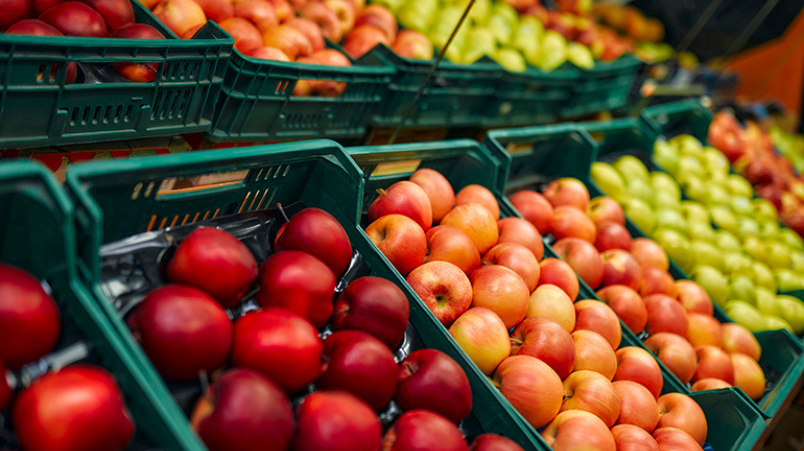
Fruits are widely used in restaurants and hotels for desserts, beverages, breakfast buffets, and fruit platters. Popular fruits in this range include bananas, apples, oranges, mangoes, grapes, and pineapples. These fruits can provide natural sweetness and nutritional value, which makes them a popular option for those looking for something sweet.
Herbs
Fresh herbs play an important role in enhancing flavor, aroma, and presentation in many dishes. Common herbs used in commercial kitchens include coriander, mint, parsley, basil, and thyme. These herbs are often added at the final stage of cooking to bring freshness and vibrant taste to meals.
Dairy & Eggs
Milk and Cream
Milk and cream are essential ingredients that are used daily in many commercial kitchens. Restaurants, hotels, and institutions rely on fresh milk for beverages, sauces, desserts, and breakfast service. Cream, on the other hand, is commonly used to prepare rich soups, creamy sauces, desserts, and specialty dishes.
Yogurt and Cheese
Yogurt and cheese are widely used in both traditional and international cuisines served in restaurants and hotels. Yogurt is often used in marinades, sauces, desserts, and breakfast dishes, while cheese is essential for pizzas, sandwiches, pasta, and baked items.
requent shortages during busy service hours. However, the key to successful bulk purchasing is working with a reliable grocery items supplier that can ensure quality, freshness, and timely delivery.
For that purpose, we at HnH Enterprise can provide comprehensive procurement support for organizations that require a consistent grocery supply. We source a wide range of food items.
Conclusion
Managing food inventory is a crucial part of running a successful restaurant, hotel, or institutional kitchen. That’s where a well-structured grocery list can help you organize the purchasing process, control costs, and ensure that all the essential ingredients are always available.
It is also a tried and tested formula that when a kitchen follows a clear inventory system, it can plan menus more effectively and reduce food waste. And that’s where the list on top can be an ideal starting point for you know what type of ingredient requirement you can have for your kitchen.
FAQs
Why do restaurants maintain a grocery list?
Restaurants maintain a grocery list to track essential ingredients, manage inventory efficiently, and ensure that kitchens always have the items required for meal preparation.
What are the most commonly purchased grocery items for commercial kitchens?
Common items include rice, flour, cooking oils, spices, vegetables, fruits, dairy products, eggs, and different types of meat used in regular menu preparation.
Why do food businesses buy groceries in bulk?
Because bulk purchasing can help reduce costs and allow kitchens to manage inventory more efficiently
How often should restaurants restock fresh produce?
Most restaurants restock vegetables, fruits, and herbs several times a week to maintain freshness and avoid spoilage.